We take particle physics to site.
Muon imaging is our core. We also design detectors, simulate sites and analyse data.

Who we are.
- Based in Hong Kong
- We survey in Hong Kong and analyse muon data from anywhere.
- Physicists and computational scientists
- The team that designs the detector also writes the report.
We design and build our own detectors.
Each report states the detector’s specification, so you can check its claims against it.
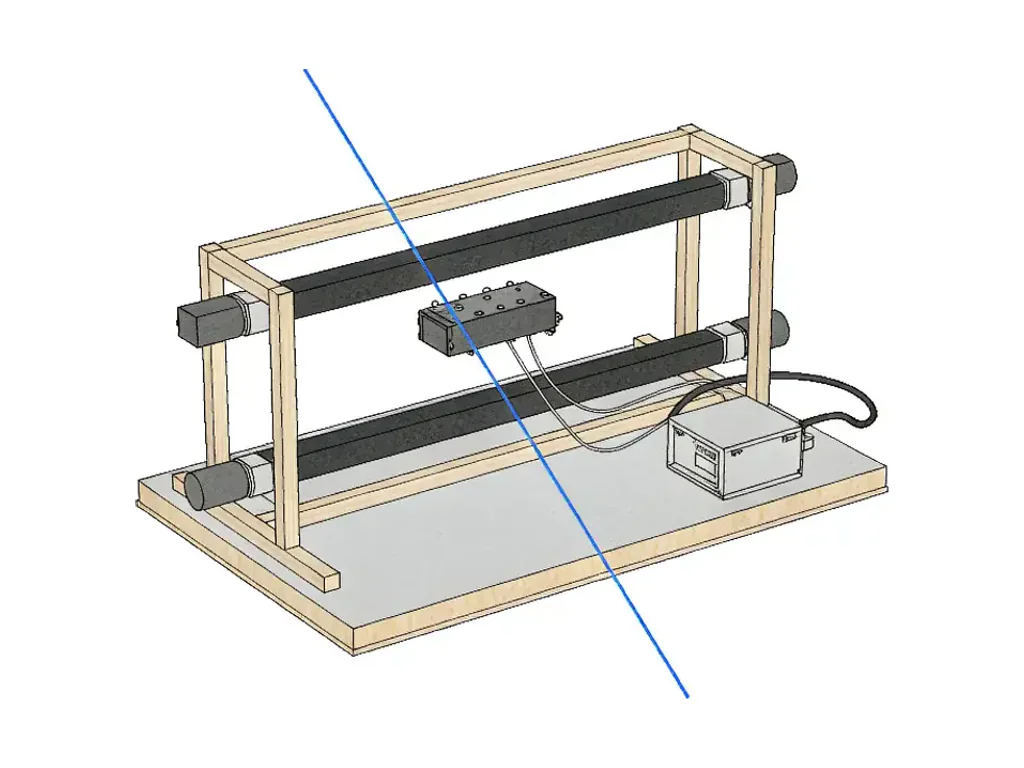
Bench rig
Built
Counts cosmic-ray muons and measures their arrival angles.
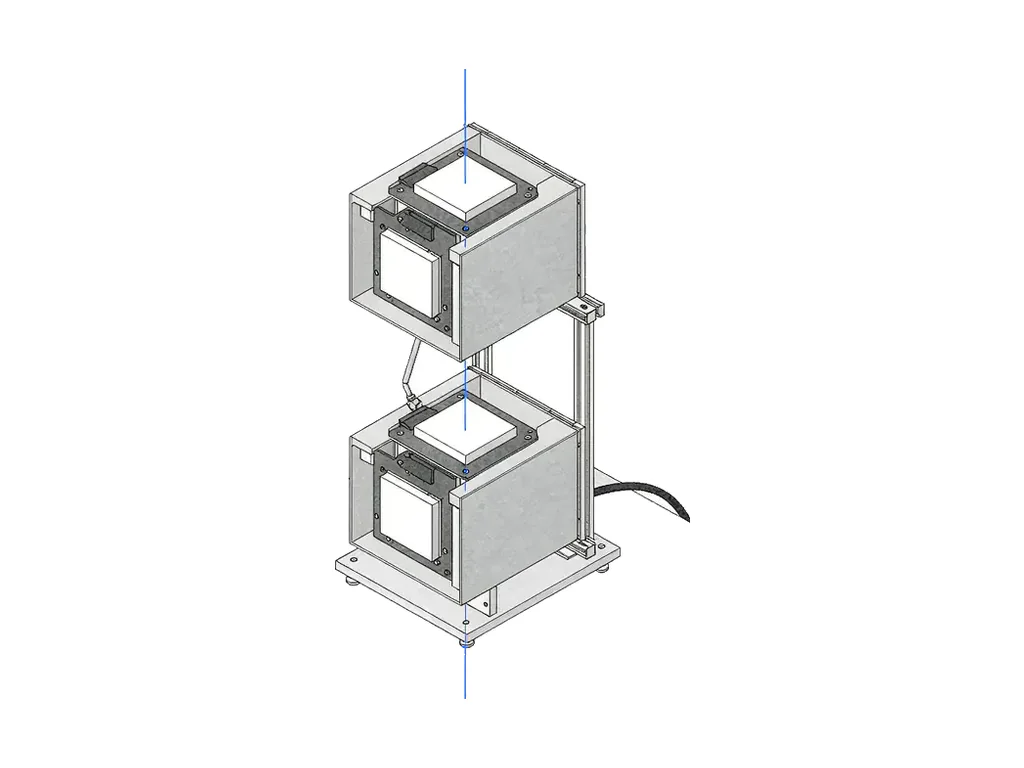
Classroom bench detector
Design
Stacked units for count-rate, absorber and air-pressure experiments in class.
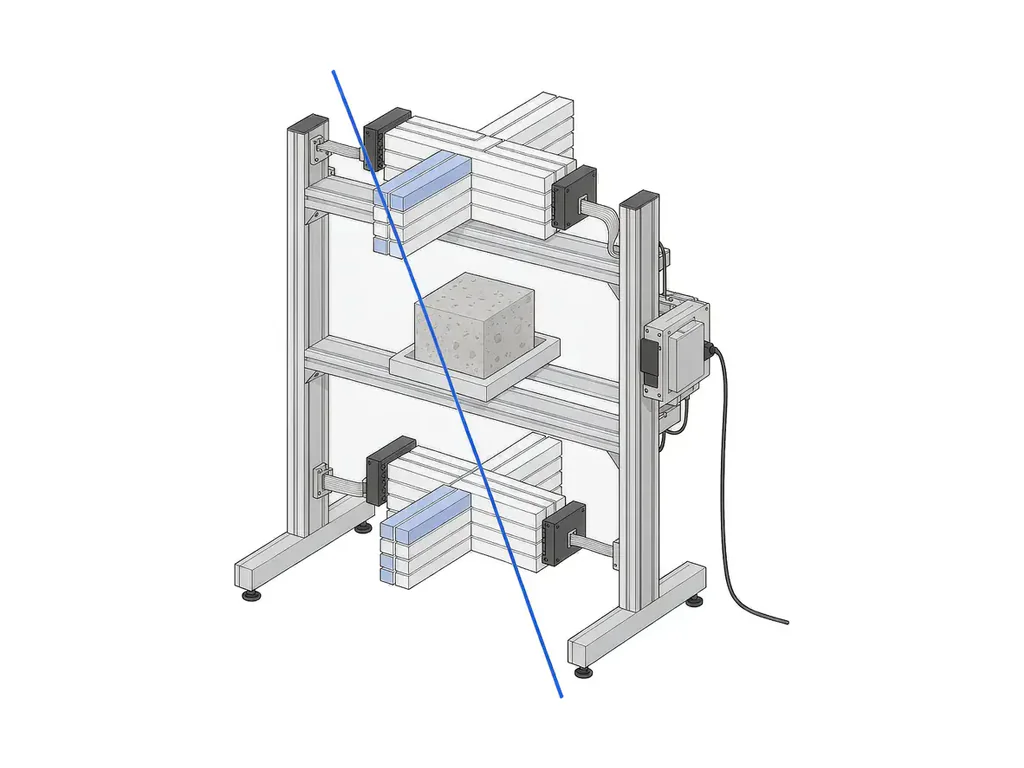
Compact transmission prototype
Design
Crossed strip planes above and below a known sample, for lab tests.
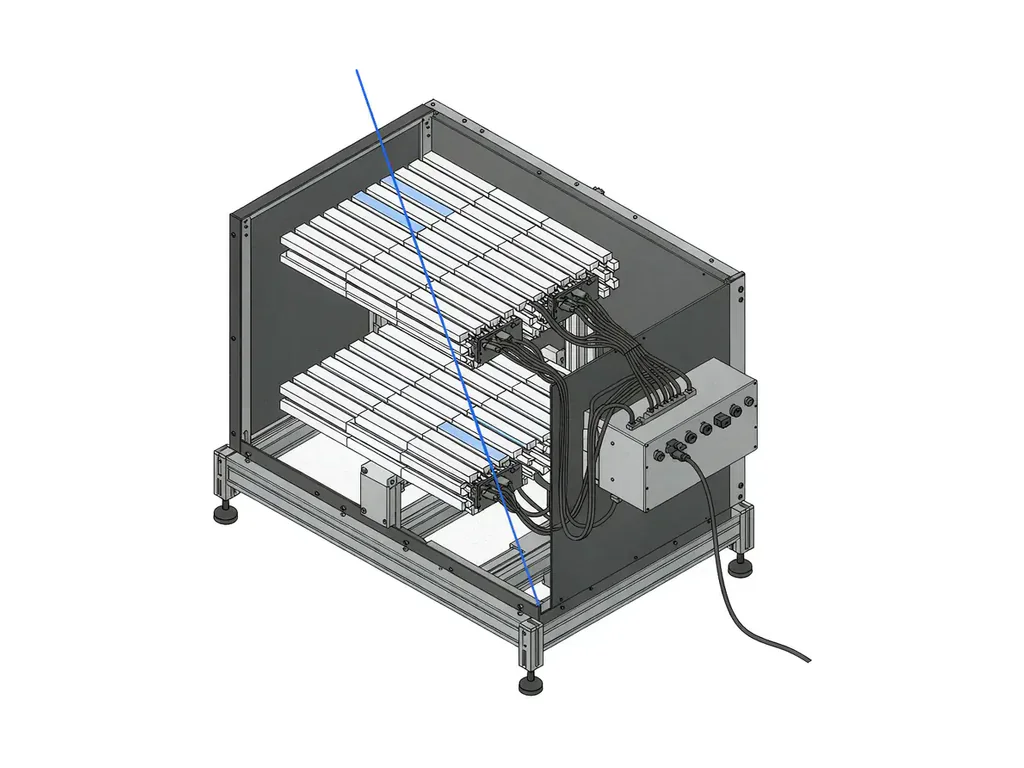
Field survey detector
Design
Strip planes in a case on a stand, tracking each muon from below the site.
A blind test before any site
A field survey detector must find a void in a concrete block, with the analysts blind to where it is. One that misses stays in the lab, and we report the miss.
What goes into every report.
The evidence sets the score
Scores combine the measurement with surface inspection, InSAR and geology. A language model may explain a score, never set one.
Coverage with every result
Each result marks the ground the muons covered, so you can tell unmeasured ground from clear ground.
Built from raw events
You can trace each result back to the recorded muon tracks and check it step by step.
Who does the work and who checks it.
Founder & Project Lead
Leads the physics and the field work: what the detector measures and where it sits.
- Experimental particle physics
- Detector instrumentation
- Field strategy
Co-Founder & AI Lead
Leads the analysis platform: reconstruction, ranking and the software behind every report.
- Machine learning
- Physics data analysis
- Scientific computing
Your engineers, and any specialist you appoint
They review the interpretation with us before we hand over any result.
Talk to us about a pilot.
Tell us about your site and what you are watching for. We answer every enquiry ourselves, and can send an example report on request.