Seeing underground with cosmic-ray muons.
A detector below or beside the target counts the cosmic-ray muons that get through. They arrive on their own, so it can sit in a tunnel, gallery, basement or portal that stays in use.
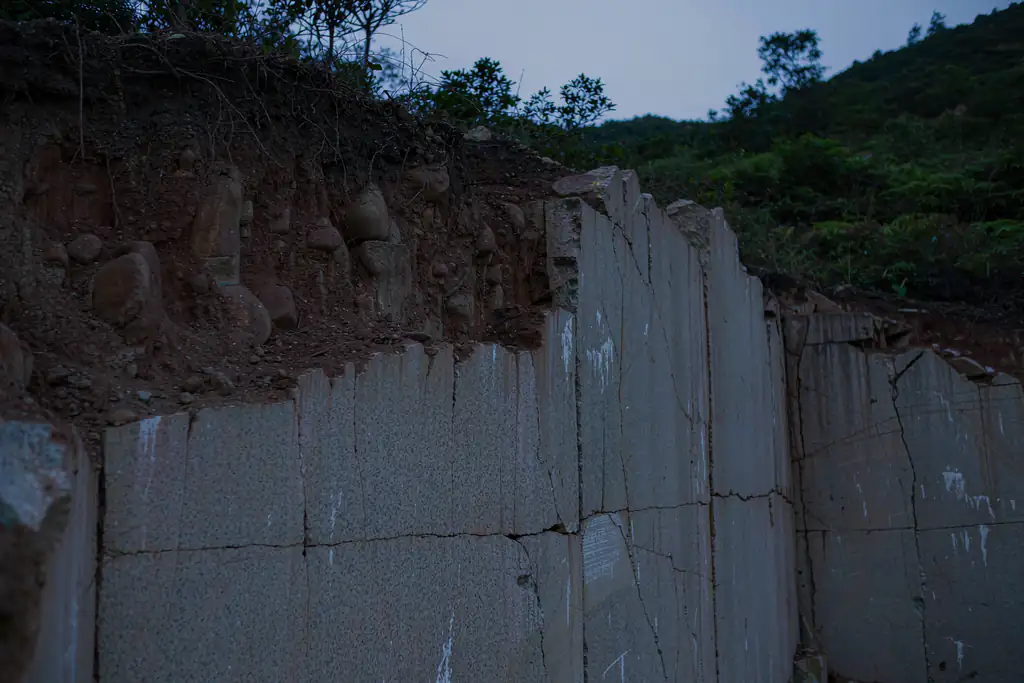
From the sky to the report.
Cosmic rays make muons high in the atmosphere. The muons reach the ground everywhere.
Our detector in the tunnel records each muon and the direction it came from. More muons get through where the ground is less dense, as on a path through a void.
We mark where the ground has changed, and where to check first.
Alongside the methods you already use.
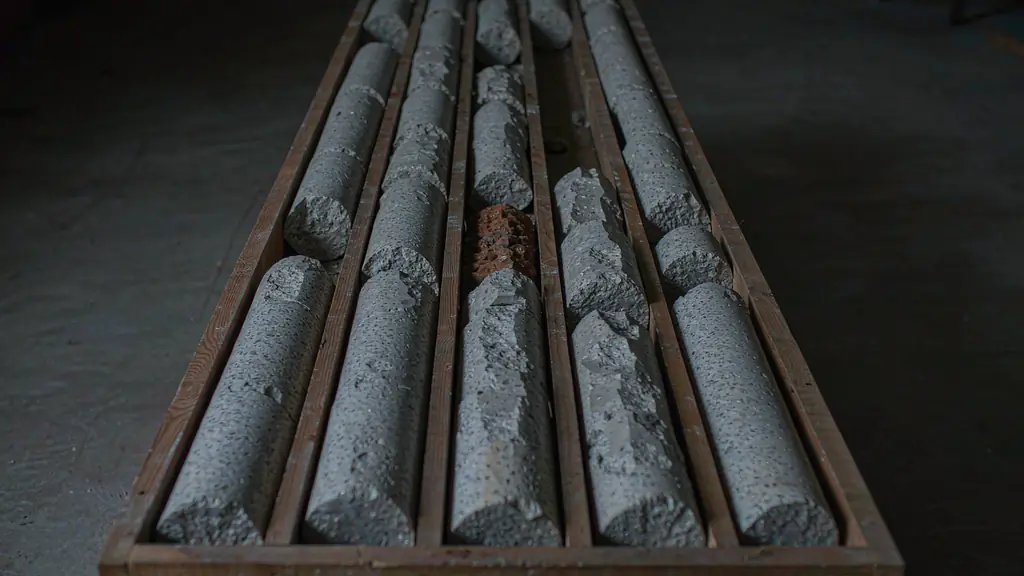
Borehole
Shows exactly what is in the hole, at one point.
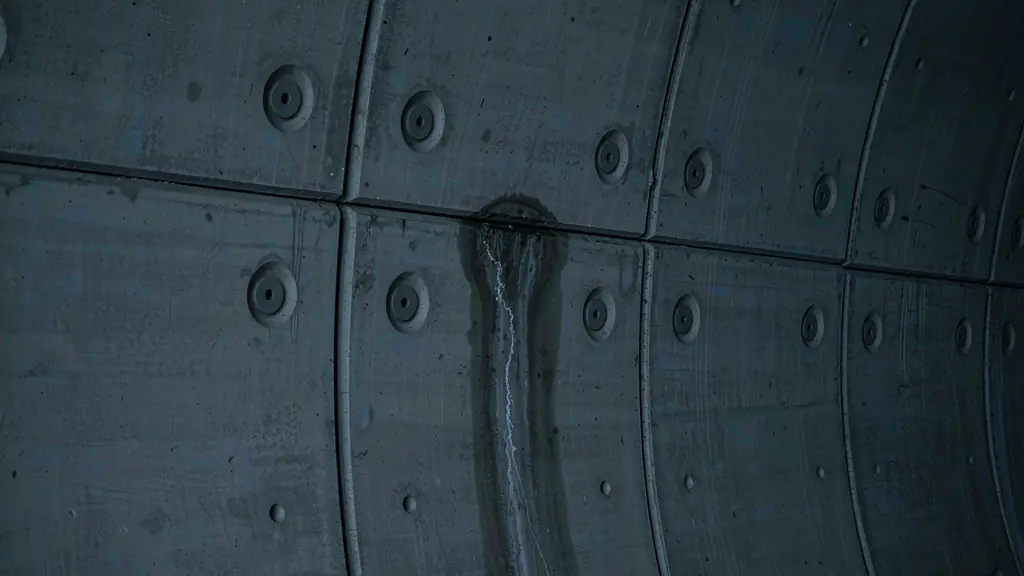
GPR
Sees what lies close behind the surface or a lining. Wet clay cuts it short.
ERT, seismic
Needs lines of electrodes or geophones, usually laid across open ground.
Inspection
Sees the face of the lining, not the ground behind it.
Muon imaging
From one position below, it reads metres of ground and shows you where to drill first.
You can check every stage.
Raw events in
One documented event format, as files or a live stream. Raw strip hits are converted into it, with a quality report.
Density, located in plan
A regularised reconstruction places voids in plan, gives depth as a range and marks the ground the muons covered.
Ranked with your site evidence
The platform finds candidates automatically and ranks them with surface inspection, InSAR and geology. Evidence you lack counts as unknown, not clear.
Explained, with citations
A language model explains each ranking from documents it can cite. It never changes a score.
Talk to us about a pilot.
Tell us about your site and what you are watching for. We answer every enquiry ourselves, and can send an example report on request.